Rewire Your Mind After Trauma
The trauma of your past can’t be undone, but you can take charge of how it affects you.
Life leaves its marks on all of us, sometimes from sudden traumatic events, sometimes from years of chronic stress or loss. Even when the events are long behind you, their impact can linger in our thoughts, reactions, and even in the way our bodies respond to everyday stress.
The good news: your past does not define you. Neuroscience shows that the brain is capable of change. Through certain intentional practices, you can rewire your mind, building new pathways that support calm, resilience, and connection.

Writing to Heal: A Proven but Overlooked Tool
One surprisingly powerful way to create this change is writing to heal — private, honest writing that explores our experiences and emotions.
For more than thirty years, research has shown that people who write about stressful or painful events often experience measurable improvements in mood, immune function, and overall well-being. Writing about trauma can reduce stress reactivity, decrease depression and rumination, and even reduce chronic pain.
How Writing Rewires the Brain
When we talk about “rewiring the brain,” we’re describing a process scientists call neuroplasticity. Every time we learn a skill or practice a habit, networks of neurons strengthen their connections. Old, reactive patterns, like the surge of anxiety after a small mistake, are physical pathways too.
By reflecting on our experiences through writing, we engage areas of the brain involved in self-awareness, emotion regulation, and perspective-taking. With repetition, these healthier networks grow stronger, while the pathways tied to rumination and automatic stress responses begin to quiet.
Neural Re-Narrating™: Creating a New Inner Story
I call this process Neural Re-Narrating™ — using writing to acknowledge your past and create a more empowering narrative.
This practice can help you:
- Rewire your mind and shift your mindset
- Find inner calm and gratitude
- Break free from self-criticism and old habits
As you write, you cultivate a new way of talking to and caring for yourself. That inner steadiness extends outward, allowing you to be more present and supportive for the people you love.
How to Begin Your Writing Practice
Writing to heal is about honesty and gentle curiosity. Some people start with ten minutes a day of free writing, or try simple prompts like:
- What part of today felt heavy?
- What memory still tugs at me?
Over time, this practice can become a kind of internal dialogue, a way to witness yourself with compassion and to recognize how the past still shapes the present.
Take the Next Step
My latest Substack article explains what writing-to-heal really means, why knowledge alone can’t rewire old neural patterns, and offers sample prompts to help you start today.If you’ve ever felt trapped by old stories, know this: your brain is capable of change, and your words can help lead the way.
We heal together💖
Donna
✨MY BOOKS:
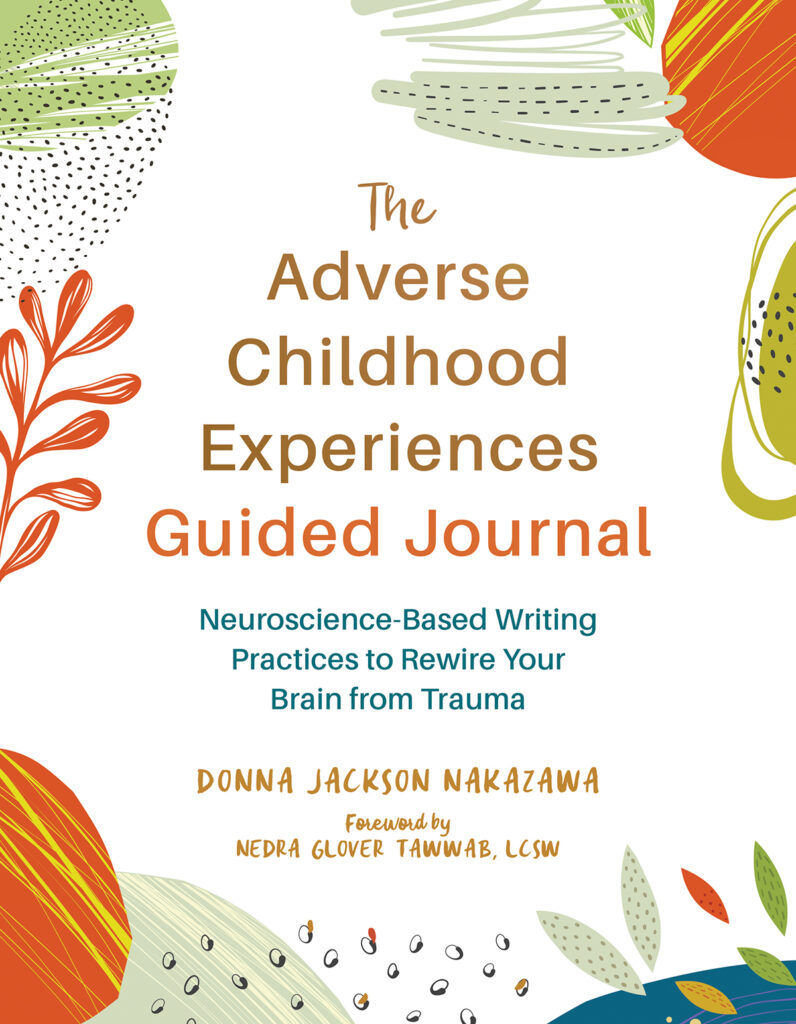
- The Adverse Experiences Guided Journal
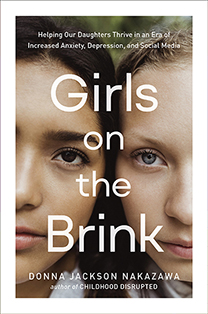
- Girls on the Brink
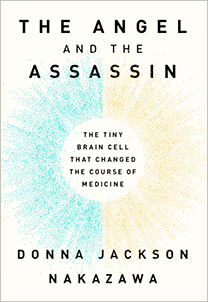
- The Angel and the Assassin
- Childhood Disrupted
✨MY COURSE: