Why We Resist It and What Happens When We Finally Start
When writing to heal feels too hard, your brain is just trying to keep you safe.
For the past several months, I’ve been sharing writing prompts designed to help you reconnect with your story in a way that is gentle, honest, and without judgment. Many of you have told me how powerful this work feels once you begin. But others have shared something equally important: that getting started is the hardest part.
If you’ve found yourself staring at a blank page, feeling resistance rise, or putting off the writing altogether (even though you know how much it could help), you’re not alone. There’s a reason this happens.

Nervous System Protection
When we sit down to write about painful memories, fear, self-doubt, or even physical tension can rise to the surface. Our brains are wired to protect us from pain, so revisiting old experiences can feel unsafe, even when, deep down, we know that healing is waiting for us on the other side.
Your nervous system has learned that discomfort equals danger, and it will do everything it can to keep you away from it. The challenge is that avoiding the pain also keeps you from accessing the healing that lives underneath.
Writing to Heal Doesn’t Create Pain
Writing-to-heal can bring old memories back with surprising clarity. Sometimes, we don’t realize how much we’ve been carrying until we begin to write. You might feel sadness, anger, or anxiety you thought you’d already buried.
But writing doesn’t create pain. It simply reveals what’s been waiting for your attention. It shows you how heavy the load has been and reminds you that you don’t have to keep carrying it. When you allow yourself to meet those feelings with compassion, something begins to shift inside you.
When You Let Your Inner Voice Speak Through Writing
When you invite your inner voice to openly speak from the heart, something magical happens: everything begins to open up. What was once hidden starts to soften. What was once too painful to face begins to feel more manageable.
Each time you write with honesty and care, you remind yourself that it’s safe to feel and safe to be seen.
You don’t have to fix anything or make sense of it right away. Just by giving yourself the space to speak your truth will begin to rewire your mind toward safety and understanding.
You just need to give yourself that chance.
Why We Hesitate to Write to Heal
People often hesitate to journal about painful memories for reasons that are emotional, cognitive, and even physical. You might fear re-experiencing the pain. You might doubt your ability to handle what comes up. Or maybe you just can’t find the words to start.
These reactions are common and deeply human. Writing-to-heal is one of the most underutilized tools we have — not because it doesn’t work, but because it does. It reaches deep into the places that need tending, and that kind of honesty takes courage.
In my latest Substack article, I explore the most common hurdles that keep people from writing to heal, and I share gentle ways to move past them with compassion and curiosity.
You Deserve This Tender Attention
Avoiding discomfort is natural, but staying disconnected from your story keeps you stuck in old patterns. When you give your heart the time and space to express itself, even through just a few sentences, you begin to create new pathways of safety, self-acceptance, and peace.
Writing is one of the simplest ways to tell yourself: I’m ready to meet myself with love.
✨ Ready to understand what’s been holding you back?
In my newest article, I share the six most common hurdles to writing-to-heal and how to move through them with kindness. You’ll also find new writing prompts to help you continue your healing, even if you’ve been putting it off for a while.
We heal together💖
Donna
✨MY BOOKS:
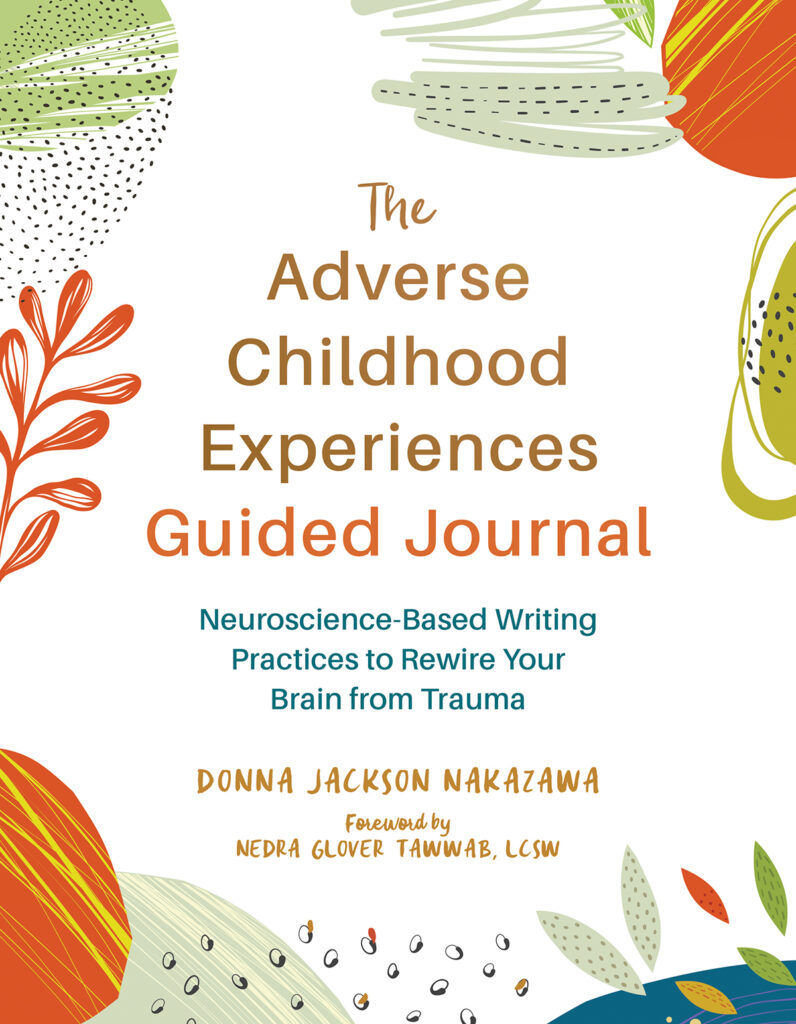
- The Adverse Experiences Guided Journal
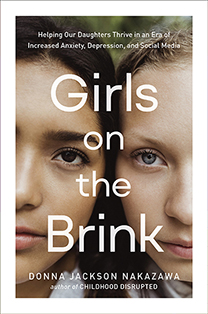
- Girls on the Brink
- The Angel and the Assassin
- Childhood Disrupted
✨MY COURSE: