What does thought spiraling look like in everyday life?

How Rumination Affects Us in Our Daily Lives
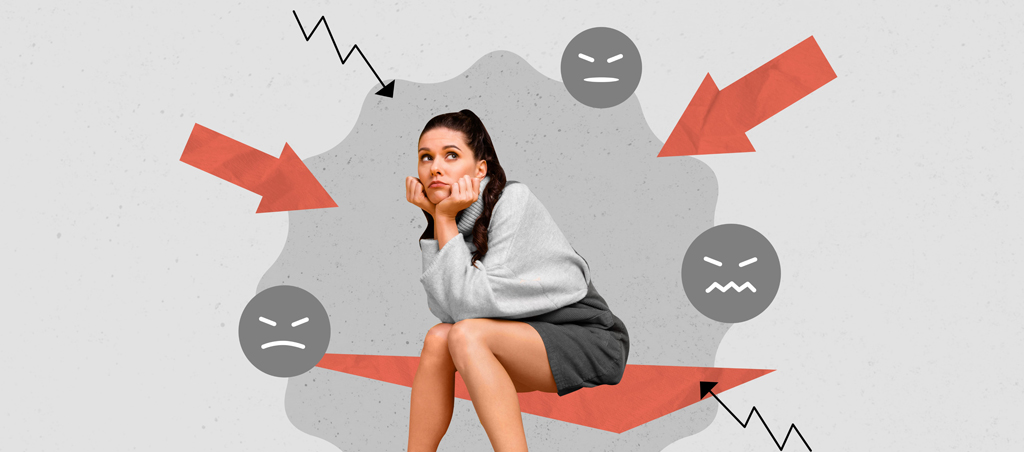
Most of us have no idea how much of our mental energy is spent replaying past moments, imagining future outcomes, judging others’ words and actions… or judging ourselves. It’s easy to get stuck in these thought loops, right?
We replay our conversations with family. We pick apart interactions we have with coworkers. We imagine what we should have said or what someone else might have meant. Often, we tell ourselves we’re simply “thinking things through.” We assume that the more we think about it, the closer we’ll come to some perfect answer: what to say, what to do. We’ll suddenly feel on top of it. We’ll feel in control again.
Instead, we feel worse. The feeling of relief we’re seeking never comes.
Many of us are caught in what’s called rumination — a pattern of repetitive thoughts that can begin to consume our mental and emotional energy.
What’s surprising is that nearly a third of people aren’t even familiar with the term rumination. Which means the first step toward regaining control of your thoughts is simply learning to recognize when you’re stuck in one of these mental spirals.
So What Is Rumination, Exactly?
Psychologists define rumination as repetitive, persistent thoughts that circle around the same concerns, problems, or past events without leading to resolution.
Instead of processing your emotions, and moving forward, the brain loops through what happened (or what might happen) again and again. Over time, this mental pattern can affect our mood, stress levels, sleep, how we relate to (and critique ourselves) and even how we interact with and relate to other people.
Why Many People Don’t Talk About Their Proclivity to Ruminate
One of the reasons rumination often goes unnoticed is that people can feel embarrassed by it. It can feel like some kind of personal failure.
Maybe you’ve caught yourself thinking things like:
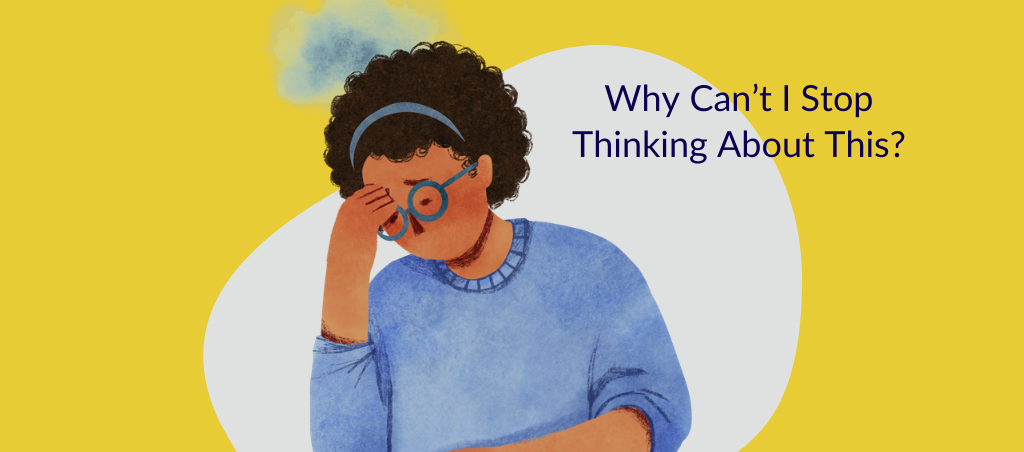
Why can’t I stop thinking about this?
Why does everyone else seem to move past things so easily?
Is there something wrong with me?
Does this sound familiar?
Part of the problem is cultural. We tend to celebrate independence and self-sufficiency. We’re taught — sometimes directly, sometimes subtly — that we should be able to manage our thoughts and emotions on our own.
It can create an added layer of shame that keeps people from acknowledging what’s happening, much less talking about it. I’ve seen this in my own life and in the lives of the many people I’ve interviewed about their proclivity to get lost in thought spiraling and overthinking. We’ve all caught ourselves getting stuck on a conversation for hours, even days and wishing we could just let it go. But we keep our frustration about how often our minds get lost in rumination to ourselves.
And yet if we shared how often we get caught up in negative thought loops with others, we’d see that rumination is far more common than we realize. We are not alone.
Research suggests that many of us spend a significant portion of our mental life caught in repetitive, negative thought patterns — especially during periods of uncertainty, stress, or emotional strain in our closest relationships.
Understanding what ruminating thoughts are – and how common they are – can help remove some of that stigma. When we recognize that our thought loops are part of the nuts and bolts of how all our minds work, they become something we learn to notice and shift. We also feel more empowered to take steps to exit our thought spiraling.
Can You Notice Patterns in Your Thought Spiraling?
Before we can interrupt rumination, we have to learn to recognize it.
Many people are so accustomed to these thought loops that they barely notice when they’re happening.
That’s why I recently created a short questionnaire designed to help people recognize whether rumination may be playing a bigger role in their daily life than they realize.
In my newest article, I walk through the signs of ruminative thinking and offer a simple self-check that can help you begin to see your own thought patterns more clearly.
👉 Read the full article: Are You Ruminating Too Much?
Think of it as an invitation to honest self-inquiry.
When we begin to notice our patterns of rumination, it becomes much easier to interrupt them and gradually reshape how our minds respond.
Why Should I Bother to Understand Rumination?
Learning to identify rumination is more than a psychological exercise.
It’s a doorway to greater mental clarity and emotional freedom.
Over the coming months, I’ll be sharing much more about:
- The neuroscience behind rumination
- Why the brain falls into repetitive thought loops
- How rumination can reshape our emotional responses
- Practical strategies to interrupt these cycles
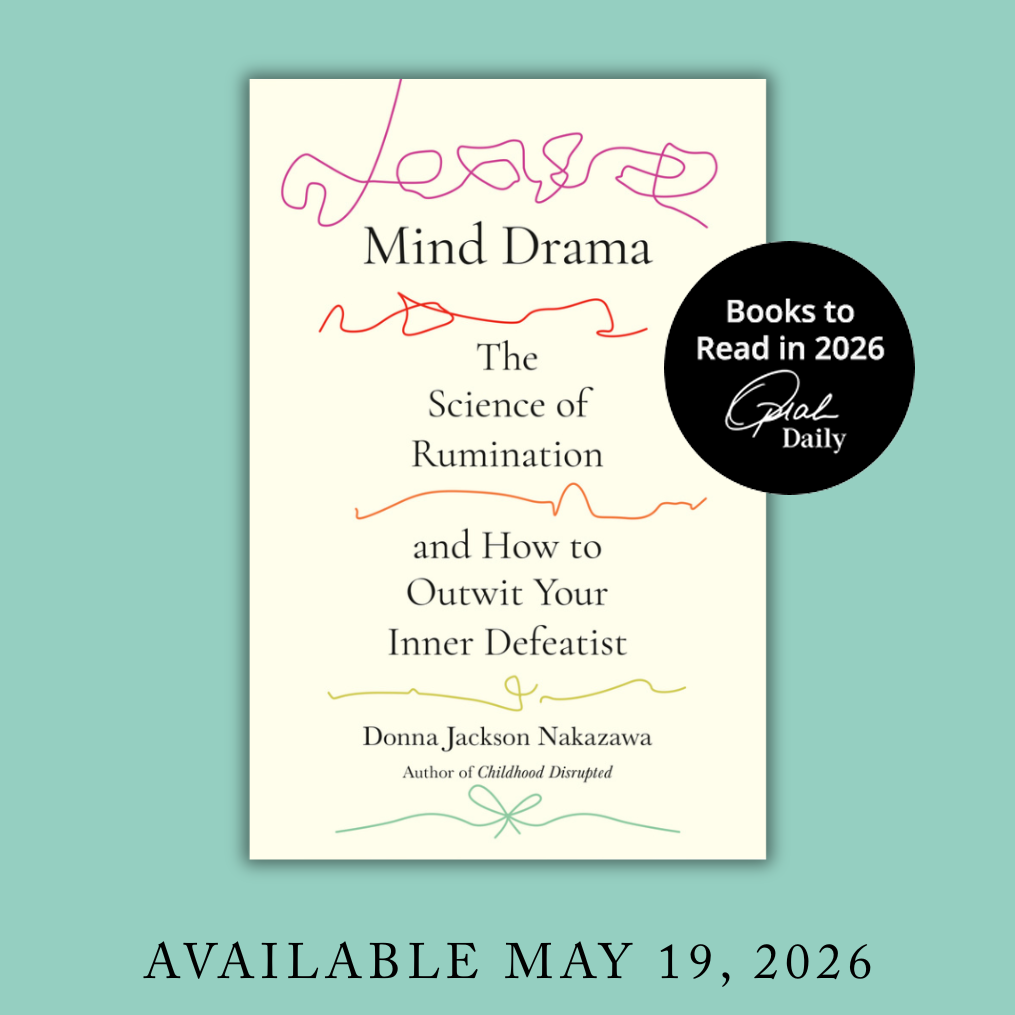
This topic is also at the heart of my upcoming book, Mind Drama, releasing in May 2026.
Writing it has deepened my understanding of something many of us are experiencing right now: in a world that often feels uncertain and overstimulating, our minds are more prone than ever to spiraling down.
The good news is that when we begin to understand rumination, we also begin to loosen its grip. We start to spiral up.
And that’s where real change begins.
I hope this helps you spot and exit your own repetitive mental loops a little sooner—and maybe, just maybe, feel a bit lighter in the process.
We heal together💖
Donna

✨MY BOOKS:
- Mind Drama – Available for Preorder
- The Adverse Experiences Guided Journal
- Girls on the Brink
- The Angel and the Assassin
- Childhood Disrupted
✨MY COURSE: Breaking Free from Trauma